News
Bullying in Group Programs: How You Can Protect Children
Thursday, October 29th, 2026
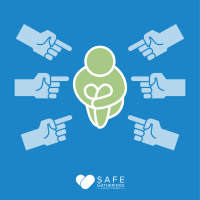
Children should feel safe, welcomed, and respected when participating in church programs, youth groups, camps, and other community activities. Volunteers play an important role in creating the environment, and knowing how to recognize and respond to bullying can make a difference.
Bullying isn’t always obvious. It may involve physical aggression, hurtful comments, repeated exclusion, intimidation, or social pressure. When these behaviors go unnoticed or unaddressed, children may feel isolated, anxious, or afraid to participate.
Recognizing the signs is the first step. Knowing what to do next helps protect children in your care.
Signs of Bullying to Watch For
Bullying can take several forms, and children don’t always feel comfortable speaking up about their experiences. Volunteers and staff should pay attention to both what they observe and changes in behavior.
Watch for behaviors such as:
- Social exclusion: A child is repeatedly left out of activities, ignored, or isolated by other children.
- Verbal harassment: Children use insults, threats, teasing, or hurtful comments to embarrass or intimidate someone.
- Physical aggression: Pushing, hitting, tripping, or damaging another child’s belongings.
- Emotional and behavioral changes: A child who suddenly becomes withdrawn, anxious, unusually quiet, or reluctant to participate.
- Repeated targeting: The same child is repeatedly singled out, picked on, or made the target of hurtful behavior by another child or group.
Not every disagreement between children is bullying, but repeated hurtful behavior should never be ignored. If a volunteer or staff member is concerned about a child’s safety or well-being, they should take the concern seriously and follow the appropriate steps to address it.
Volunteer and Staff Action: Observe interactions closely, look for patterns, and take concerns seriously. A child who seems uncomfortable or consistently avoids certain people may need support, even if they haven’t reported bullying.
How to Respond Calmly and Effectively
When bullying occurs, a volunteer or staff member’s response can influence how safe children feel and whether they trust adults to help. Staying calm, addressing the behavior promptly, and following established procedures are essential.
Here are five steps to take when you witness bullying or suspect it may be happening:
1. Intervene immediately. Stop harmful behavior as soon as it is safe to do so. Use a calm, firm voice and clearly communicate that hurting, intimidating, or excluding others is not acceptable. Seek assistance from another adult if needed.
2. Make sure everyone is safe. Separate the children involved, when appropriate, and ensure the targeted child is safe and supported. If anyone is injured or in immediate danger, follow your organization’s emergency procedures.
3. Speak with children separately. Avoid questioning children in front of other children or asking them to explain what happened as a group. Give each child an opportunity to share their perspective without pressure or embarrassment.
4. Listen without judgment. If a child tells you they are being bullied, take their concerns seriously. Reassure them that they did the right thing by speaking up. Avoid blaming the child, making assumptions, or promising to keep the situation a secret.
5. Follow your organization’s policies. Notify the appropriate supervisor or leader according to your organization’s reporting procedures. Volunteers and staff should not attempt to investigate the situation independently or decide on their own that the matter has been resolved.
What to Avoid: Do not ignore the behavior, encourage children to “work it out” without adult support, force an immediate apology, or promise that everything will remain confidential. The priority is to protect children and ensure concerns reach the people responsible for addressing them.
Why Documentation and Escalation Matter
Addressing bullying in the moment is important, but follow-up matters just as much. Without clear documentation and communication, repeated incidents may go unnoticed, and children may continue to experience harmful behavior.
When an incident occurs, staff members and volunteers should:
- Record the facts. Document the date, time, location, individuals involved, what you directly observed, and any relevant statements made by the children.
- Avoid assumptions. Keep documentation objective and distinguish between what you witnessed and what someone else reported.
- Report concerns promptly. Share the information with the appropriate leader or supervisor, following organizational procedures.
- Follow up appropriately. Ensure the concern has been received by the person responsible for addressing it. Continue to observe interactions and report additional incidents.
- Maintain confidentiality. Handle information about bullying concerns with care and discretion. Share details with those who need to be involved in addressing the situation, and avoid unnecessary discussion or speculation.
If a child discloses abuse or there are concerns about serious harm, volunteers must follow applicable reporting laws and organizational procedures. Internal reporting does not replace a legal duty to report directly to child protection authorities when required.
Need help understanding your state’s reporting requirements?
Visit ChildCare.gov’s Report Child Abuse and Neglect resource to find state-specific reporting instructions, contact information, and available reporting options
Accurate documentation and timely escalation help organizations identify patterns, respond consistently, and maintain accountability.
Building a Culture Where Children Feel Safe
Preventing bullying requires more than responding to individual incidents. Churches, schools, camps, and community organizations should establish clear behavioral expectations and make sure staff and volunteers understand their responsibilities.
Organizations can strengthen their approach by:
- Establishing and communicating clear anti-bullying policies.
- Training staff/volunteers to recognize harmful behavior and respond appropriately.
- Maintaining supervision during activities.
- Providing safe, accessible ways to report concerns.
- Ensuring reports are taken seriously and addressed consistently.
When adults model respectful behavior and respond to concerns with care and consistency, they help create an environment where children know they will be heard and supported.
The Takeaway
Bullying can have a lasting impact on a child’s sense of belonging, confidence, and safety. Your staff and volunteers may be among the first to recognize when something is wrong, making their awareness and response especially important.
Recognize the signs. Respond calmly. Document concerns. Escalate appropriately.
Every staff member and volunteer has a role in helping protect children. Through consistent training, clear policies, and a commitment to accountability, organizations can build environments where children feel supported, respected, and safe.
Safe Gatherings helps churches, schools, and organizations strengthen their child protection efforts through background screening, online abuse prevention and boundary awareness training, and policy management resources.
Learn more about how Safe Gatherings can support your organization’s commitment to protecting children, youth, and vulnerable adults at SafeGatherings.com.
Screen. Educate. Protect.
Legal Disclaimer: Safe Gatherings provides this material for educational and informational purposes only, and shall not be construed as legal advice, express or implied. For questions regarding your organization’s practices and compliance with applicable laws, please consult with your legal counsel.